
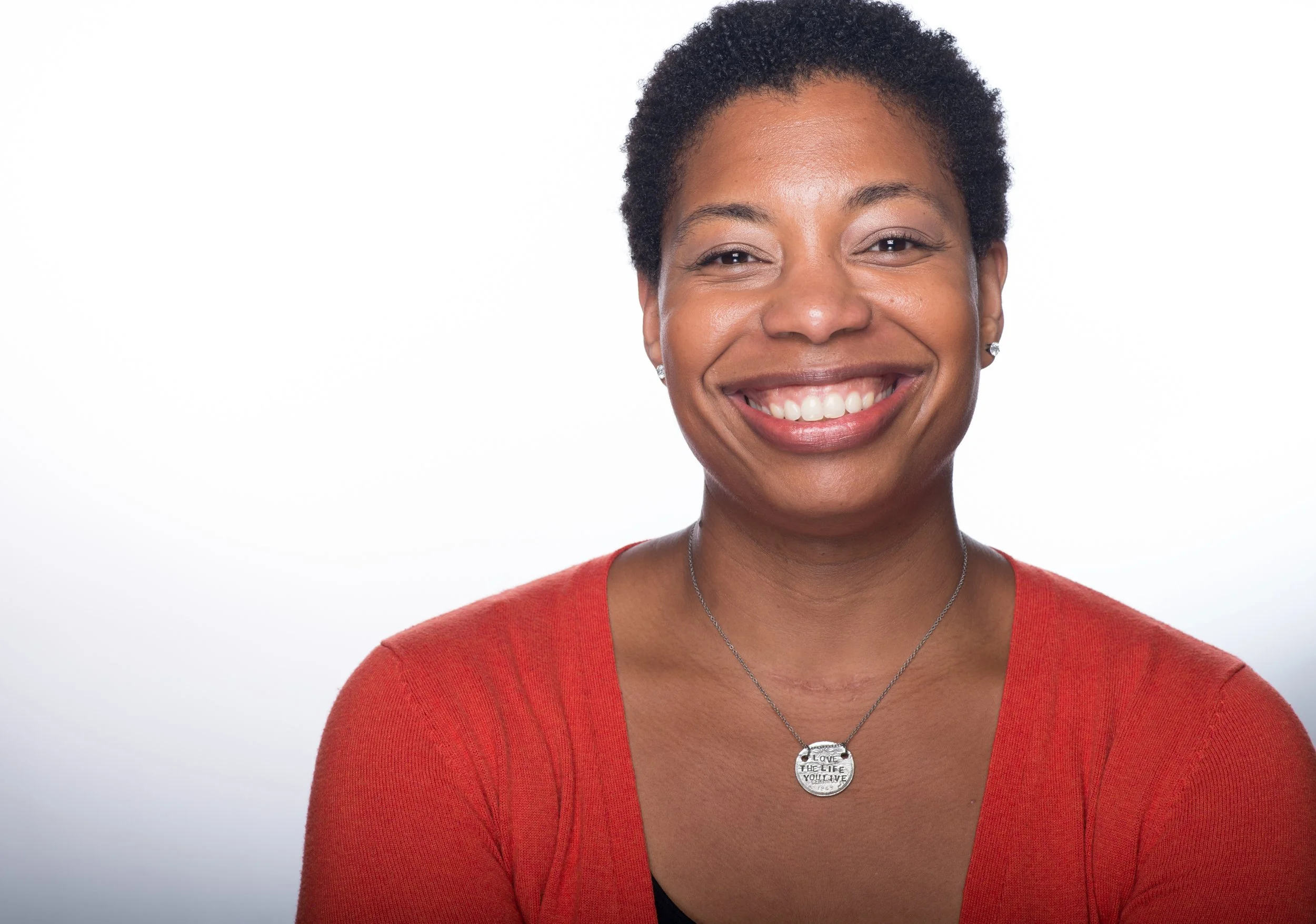
Hi, I’m Reginé Gilbert
I work with organizations navigating complexity at the intersection of systems, strategy, technology, and human judgment.
I’m based in New York and work internationally with organizations facing digital transformation, regulatory pressure, and large-scale change, where decision-making, adoption, and system alignment determine outcomes.
Background
Before my work became visible through teaching, writing, and speaking, I spent years working inside complex operational environments, including e-commerce and supply chain systems.
I worked across product, delivery, and operations roles, as a project manager, scrum master, and systems contributor, supporting organizations where decisions affected revenue, logistics, compliance, and customer experience at scale.
Current Focus
That operational background now informs my work designing and advising on human–AI systems.
I teach user experience at NYU, focusing on systems thinking, collaboration, and decision-making in environments shaped by automation and AI, and I advise organizations across technology, media, healthcare, finance, energy, education, and the public sector.
I’m often brought in when AI adoption or other large-scale change isn’t producing clarity, when teams need to understand how their system actually behaves, what work should be automated or augmented, and where human judgment must remain central for decisions to hold under real-world constraints.
My Approach
I work with organizations facing complexity where decisions don’t stick, change efforts stall, or systems behave in unexpected ways. My approach is grounded in systems thinking, strategic clarity, and human judgment, helping teams understand how their systems actually function and where small shifts can create meaningful, lasting change.
Simple ideas
Systems drive behavior
Most problems are produced by structure, incentives, and constraints, not by individual performance.
Clarity beats complexity
Effective strategy depends on shared understanding and usable decision frameworks, not heavy process or jargon.
Judgment can’t be automated
Tools can support decisions, but responsibility, ethics, and context remain human.
Change must be designed
Adoption happens when systems align with how people actually work, not how we assume they should.
Lasting impact
My work helps organizations:
Make better decisions under uncertainty
Improve alignment across teams and stakeholders
Design systems that support adoption, accountability, and resilience
Anticipate downstream effects before they become costly failures
The goal is not transformation for its own sake, but systems that continue to work as conditions change.